
Legends & Icons
Harish Rana Biography: Family, Religion, Net Worth, Born Place

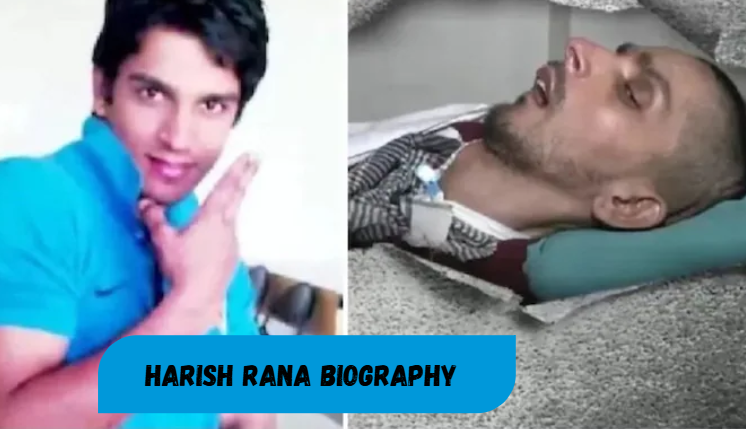
Harish Rana was a young engineering student from India whose life story later became part of a nationwide conversation about medical ethics, law, and the dignity of life. Born on August 10, 1994, in Uttar Pradesh, India, Harish grew up in a family that valued education and discipline.
From an early age, he was known among relatives and teachers as a focused and curious student. His parents encouraged him to pursue higher education, hoping he would build a successful career in engineering. Like many young students in India, Harish dreamed of completing his degree and entering the professional world.
However, a tragic accident during his university years dramatically changed the course of his life. What began as a promising academic journey eventually turned into a story that drew the attention of doctors, courts, and the wider public across India.
Today, Harish Rana’s name is associated with one of the most emotional and complex discussions about long-term medical care and the right to die with dignity.
Harish Rana Biography
| Full Name | Harish Rana |
|---|---|
| Date of Birth | August 10, 1994 |
| Age | 32 years (as of 2026) |
| Birthplace | Uttar Pradesh, India |
| Nationality | Indian |
| Religion | Hindu |
| Profession | Student (Engineering) |
| University | Panjab University |
| Marital Status | Not Married |
| Wife | Not Applicable |
| Family | Parents and siblings (names not publicly disclosed) |
| Net Worth | Not publicly known |
| Contact | Not publicly available |
Early Life and Born Place
Harish Rana was born in Uttar Pradesh, one of India’s most populous states. His childhood was shaped by a supportive family environment where education was considered the path to a better future.
People who knew Harish during his early years describe him as disciplined, energetic, and determined to succeed in his studies. Like many young Indians growing up in middle-class families, he was encouraged to pursue higher education and build a professional career.
His parents reportedly made many sacrifices to ensure he had access to good schooling and opportunities. Their goal was simple — they wanted their son to become an engineer and build a stable life.
This ambition eventually led Harish to move away from home for higher studies.
Education and Engineering Dreams
After finishing his schooling, Harish Rana enrolled in an engineering program at Panjab University, one of the well-known educational institutions in northern India.
To attend classes, he moved to the Chandigarh region, where he stayed in a paying-guest accommodation while completing his studies.
During this period, Harish lived the typical life of a university student. He attended lectures, prepared for exams, and spent time with classmates discussing their future careers.
Friends remembered him as someone who enjoyed sports and had a strong interest in football. Like many engineering students, he was planning to eventually work in fields such as civil engineering or mechanical engineering.
At that stage of life, everything seemed to point toward a promising career ahead.
The Accident That Changed His Life
Harish Rana’s life took a tragic turn on August 20, 2013, during the festival period of Raksha Bandhan.
On that day, he reportedly fell from the fourth floor of his paying-guest accommodation. The fall caused severe head injuries and catastrophic brain damage.
Doctors later confirmed that the accident resulted in a persistent vegetative state, meaning he lost conscious awareness and could not respond to the outside world.
The injuries required immediate life-saving medical treatment. Harish was placed on life support systems, including a tracheostomy tube to assist breathing and a gastrojejunostomy tube to provide nutrition.
From that moment onward, his life changed completely.
Years in a Vegetative State
For more than thirteen years, Harish Rana remained bedridden and dependent on medical support and family care.
Doctors repeatedly assessed his condition, but medical reports indicated no meaningful neurological recovery during that time.
His daily life required constant supervision, including nursing care, physiotherapy, and medical monitoring. The responsibility of caring for him largely fell on his parents.
Over the years, the financial and emotional strain became immense. The Rana family reportedly had to sell property and rearrange their lives in order to continue his long-term medical care.
Despite the hardship, they remained by his side for over a decade, hoping for improvement.
Family Sacrifice and Support
One of the most powerful parts of Harish Rana’s story is the dedication shown by his family.
His parents devoted their time, savings, and energy to ensuring he received continuous care. Maintaining medical equipment, paying for treatment, and arranging nursing assistance required enormous effort.
Their private struggle slowly became known to the public when the family eventually approached the legal system for help.
The case highlighted the emotional burden many families face when caring for loved ones who remain in long-term vegetative states.
Supreme Court Decision and Passive Euthanasia
After years of medical treatment and legal proceedings, the matter reached the Supreme Court of India.
Medical boards reviewed Harish Rana’s condition and concluded that there was no realistic possibility of neurological recovery.
In March 2026, the Supreme Court allowed passive euthanasia in his case.
Passive euthanasia refers to allowing a person to pass away naturally by withdrawing medical treatments that artificially prolong life, such as ventilators or feeding tubes.
Following the court order, Harish Rana was transferred to the All India Institute of Medical Sciences (AIIMS) in New Delhi.
Doctors planned to provide palliative care, focusing on comfort and dignity while gradually withdrawing life-support measures according to medical guidelines.
Public Reaction and National Debate
The Rana case sparked widespread discussion across India.
Supporters of the decision argued that allowing a dignified end after years without recovery was an act of compassion.
Others expressed concern about the ethical implications of end-of-life decisions and emphasized the need for strict safeguards.
Legal experts noted that the ruling followed earlier landmark judgments in India that allowed passive euthanasia under controlled conditions.
As a result, Harish Rana’s case became part of a larger national conversation about medical ethics, law, and the rights of patients.
Harish Rana Net Worth
Because Harish Rana was a student at the time of the accident, he had not yet started a professional career.
For this reason, there is no verified public information about his personal net worth.
Most financial resources involved in his case were related to medical expenses and family support rather than personal income or assets.
Personal Life
Harish Rana was not married, and there is no public record of a wife or children.
His life during university revolved mainly around studies, friendships, and plans for the future.
Unfortunately, the accident occurred before he had the opportunity to begin his professional career or personal family life.
Harish Rana Contact Information
Harish Rana’s personal contact details have not been publicly disclosed.
Given the sensitive nature of his medical situation, his family has largely maintained privacy regarding personal information.
FAQs
Who is Harish Rana?
Harish Rana was an engineering student from India whose life changed after a severe accident in 2013 that left him in a long-term vegetative state.
What is Harish Rana’s age?
Harish Rana was born on August 10, 1994, and he is 32 years old as of 2026.
Where was Harish Rana born?
He was born in Uttar Pradesh, India.
What happened to Harish Rana?
He fell from the fourth floor of a paying-guest accommodation in 2013, suffering severe brain injuries that left him in a vegetative state.
Was Harish Rana married?
No, Harish Rana was not married.
What did the Supreme Court decide in his case?
In March 2026, the Supreme Court allowed passive euthanasia, permitting doctors to withdraw life-support treatment under medical supervision.
Conclusion
Harish Rana’s story is both heartbreaking and deeply meaningful. What began as the life of a promising engineering student eventually became a case that challenged society to think about difficult questions surrounding life, suffering, and dignity.
For more than thirteen years, his family stood by him with unwavering dedication. Their journey through hospitals and courts ultimately led to a historic legal decision that highlighted the importance of compassionate end-of-life care.
Although Harish Rana never had the chance to pursue the engineering career he once dreamed of, his story has left a lasting impact on discussions about medical ethics and legal rights in India.
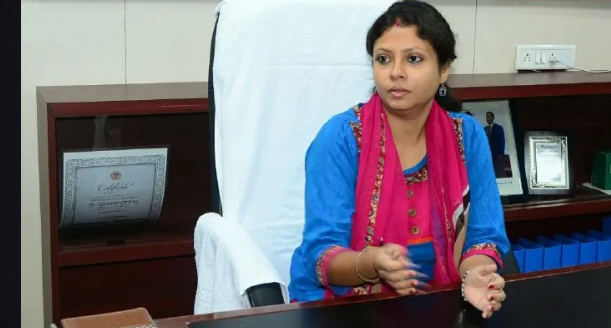
In the world of Indian bureaucracy, where policies often remain abstract and distant, a few officers stand out for their ability to translate intent into impact. Priyanka Das is one such civil servant—an Indian Administrative Service (IAS) officer known not just for her steady rise through the ranks, but for her grounded approach to governance.
Belonging to the 2009 batch of the Madhya Pradesh cadre, she has quietly built a reputation as a thoughtful administrator who understands the complexities of public systems. Whether working at the district level or contributing to policy frameworks, her career reflects a balance of intellectual depth and practical execution.
What makes her journey compelling is not just the positions she has held, but the consistency with which she has approached governance—with clarity, discipline, and a focus on measurable outcomes.
This CoreFacts write-up presents factual information about Priyanka’s age, net worth, education, spouse, and religion.
Priyanka Das IAS Biography
| Attribute | Details |
|---|---|
| Full Name | Priyanka Das |
| Date of Birth | 19 April 1984 |
| Age | 41 years (as of 2025) |
| Nationality | Indian |
| Profession | IAS Officer |
| Cadre | Madhya Pradesh |
| Batch | 2009 |
| Education | B.A. Political Science, Postgraduate in Political Science |
| Current Role | Secretary, MSME Department (since Jan 2025) |
| Marital Status | Married |
| Husband | Civil Servant (Name not publicly disclosed) |
| Domicile | West Bengal |
Early Life and Background
Priyanka Das was born on April 19, 1984, in West Bengal, a state with a long-standing intellectual tradition and a deep engagement with politics, literature, and public discourse. Growing up in such an environment likely played a subtle but significant role in shaping her worldview.
Unlike many who enter the civil services with a purely career-oriented mindset, her background in political science suggests an early interest in governance, systems, and the way institutions interact with society. This academic inclination often translates into a more analytical approach to administration—something that has been evident throughout her career.
Her formative years were not marked by public attention or media spotlight. Instead, they reflect a quieter journey of academic focus and intellectual development—traits that later became central to her professional identity.
Education
Priyanka Das pursued her undergraduate degree in Political Science from the University of Calcutta, one of India’s most respected institutions. This foundation exposed her to political theory, governance models, and the historical evolution of administrative systems.
She further deepened her understanding by completing her postgraduate studies in Political Science from Jawaharlal Nehru University (JNU), New Delhi. JNU is known for its rigorous academic environment and strong emphasis on critical thinking. For someone aspiring to join the civil services, this environment offers more than just knowledge—it builds perspective.
Her academic journey was not merely about earning degrees; it was about equipping herself with the intellectual tools needed to navigate complex governance challenges.
Career Journey
Entry into the Civil Services
Priyanka Das entered the Indian Administrative Service in 2009 through direct recruitment—an achievement that requires exceptional dedication and a deep understanding of diverse subjects. Being allocated to the Madhya Pradesh cadre, she began her career in a state known for its administrative challenges, ranging from rural development issues to urban governance complexities.
Early Roles and Administrative Grounding
Like most IAS officers, her early years were spent in field postings, where she gained hands-on experience in district administration. These roles are often the most formative, as they expose officers to real-world governance—far removed from theoretical frameworks.
Serving as a Sub-Divisional Magistrate and later taking on roles such as Deputy Director and Mission Director, she developed a strong grasp of public service delivery mechanisms.
Key Turning Points
Her tenure as Collector and District Magistrate marked a significant phase in her career. This role is often considered the backbone of administrative leadership in India. As District Magistrate, she would have been responsible for law and order, implementation of government schemes, and crisis management.
It is during such postings that many officers distinguish themselves—not through visibility, but through outcomes.
Leadership in Urban and Developmental Roles
Priyanka Das also served as Municipal Commissioner, where she dealt with urban governance issues such as sanitation, infrastructure, and public health. Urban administration requires a different skill set compared to rural governance—more coordination, faster decision-making, and greater public engagement.
Her experience across both rural and urban domains gives her a well-rounded administrative profile.
Recognition and Awards
Her work has not gone unnoticed. Over the years, she has been associated with several nationally recognized initiatives and awards, including:
- Beti Bachao Beti Padhao campaign recognition
- National Water Awards (2018)
- Kayakalp Awards
- Saakshar Bharat National Literacy Award (2017)
These recognitions are not just ceremonial—they indicate consistent performance in areas that directly affect people’s lives, such as education, health, and gender empowerment.
Policy-Level Responsibilities
As her career progressed, Priyanka Das moved into higher administrative roles, including Joint Secretary-level responsibilities. Such positions require a shift from implementation to policy formulation.
On January 1, 2025, she took charge as Secretary in the Micro, Small and Medium Enterprises (MSME) Department. This role places her at the intersection of governance and economic development, particularly in supporting small businesses—a crucial sector for employment and growth in India.
Leadership Style and Contributions
Priyanka Das represents a category of civil servants who operate without excessive publicity yet deliver meaningful results. Her leadership style can be described as:
- Analytical: Backed by strong academic training
- Grounded: Rooted in field experience
- System-Oriented: Focused on improving processes rather than quick fixes
Her contributions are particularly visible in sectors like literacy, water management, and women’s welfare. These are areas where long-term commitment is essential, and results are often incremental rather than immediate.
What sets her apart is the ability to connect policy intent with implementation realities—a gap that often weakens governance.
Personal Life
Priyanka Das maintains a relatively private personal life, which is common among many senior civil servants. She is married to a fellow civil servant, though his name has not been publicly disclosed.
This shared professional background likely brings a unique understanding of the demands and pressures of administrative service. However, she has chosen to keep her family life away from public scrutiny, maintaining a clear boundary between her professional responsibilities and personal space.
Net Worth and Financial Background
There is no publicly confirmed information regarding Priyanka Das’s net worth. Like most IAS officers, her primary source of income is her government salary, along with standard allowances and benefits associated with her position.
It is important to note that civil service roles in India are structured around responsibility and service rather than wealth accumulation. Therefore, financial details are rarely emphasized in assessing an officer’s career.
Conclusion
Priyanka Das’s journey in the Indian Administrative Service is a reminder that effective governance is often built on consistency rather than charisma. She represents a generation of officers who combine academic depth with administrative pragmatism.
From her early days in district administration to her current role in shaping policies for small and medium enterprises, her career reflects a steady progression driven by competence and commitment.
In a system where visibility often overshadows substance, her work stands out for its quiet impact. And perhaps that is what defines her best—not the positions she holds, but the systems she helps improve.
FAQs
1. Who is Priyanka Das IAS?
Priyanka Das is a 2009 batch IAS officer of the Madhya Pradesh cadre, currently serving as Secretary in the MSME Department.
2. What is Priyanka Das’s educational background?
She holds a B.A. in Political Science from the University of Calcutta and a postgraduate degree from JNU, Delhi.
3. What are her major achievements?
She has been associated with awards such as the National Water Awards 2018 and the Saakshar Bharat National Literacy Award 2017.
4. Is Priyanka Das married?
Yes, she is married to a civil servant, though his identity is not publicly disclosed.
5. What is her current role?
As of 2025, she serves as Secretary in the Micro, Small and Medium Enterprises (MSME) Department.
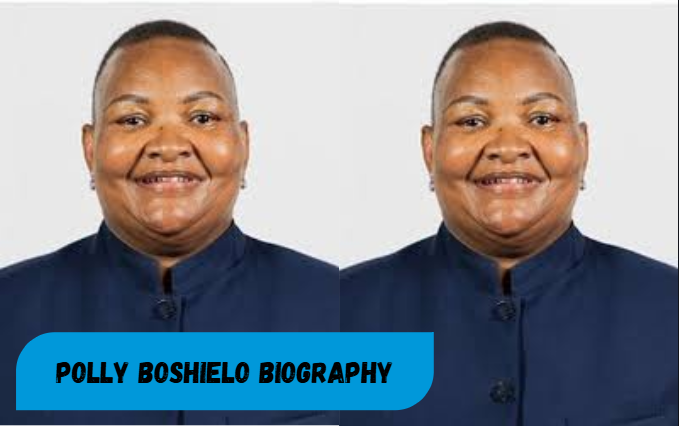
Shela Paulina “Polly” Boshielo is a respected South African politician known for her leadership roles in government. She currently serves as the Deputy Minister of Police, a position she assumed on 3 July 2024.
Over the years, Polly Boshielo has built a strong political career, especially within Limpopo Province, where she has held several influential positions. Her journey reflects dedication to public service, governance, and education reform.
Polly Boshielo Biography
| Attribute | Details |
|---|---|
| Full Name | Shela Paulina “Polly” Boshielo |
| Place of Birth | Seshego, Polokwane, South Africa |
| Nationality | South African |
| Profession | Politician |
| Current Position | Deputy Minister of Police |
| Political Party | African National Congress (ANC) |
| Marital Status | Married |
| Husband | Benny |
| Children | Not disclosed |
| Education | Not fully disclosed |
| Net Worth | Not publicly disclosed |
| Tribe | Not publicly disclosed |
Who is Polly Boshielo?
Polly Boshielo is a member of the African National Congress (ANC) and has also been associated with the South African Communist Party (SACP).
She has held several key roles, including:
- Deputy Minister of Police (2024–present)
- MEC for Education in Limpopo (2019–2022)
- MEC for Transport, Safety and Liaison (2022)
- Speaker of the Limpopo Provincial Legislature (2015–2019)
- Member of the National Assembly (2014–2015, 2024)
Her career spans both provincial and national government, making her one of the experienced political figures in South Africa.
Early Life and Background
Polly Boshielo was born and raised in Seshego, a township located in Polokwane, Limpopo Province.
Growing up in this community played a significant role in shaping her values and passion for leadership. Although details about her parents are not widely available, it is evident that her upbringing instilled discipline and resilience.
Regarding her tribe, Polly Boshielo is South African, but specific tribal details have not been publicly emphasized.
Polly Boshielo Age and Date of Birth
Polly Boshielo’s exact date of birth has not been publicly disclosed. As a result, her precise age is also not officially confirmed in the public domain.
However, based on her long-standing career in politics, she is regarded as an experienced and mature leader.
Education and Qualifications
Education has played an important role in Polly Boshielo’s journey, especially given her leadership role in the education sector.
Although full details of her academic qualifications are not widely publicized, she is known to have undergone training and education that prepared her for governance and leadership.
Her experience as MEC for Education in Limpopo demonstrates her involvement and understanding of the education system.
Political Career
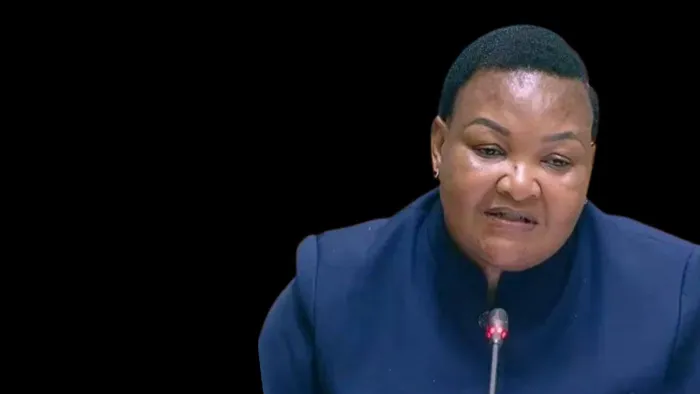
Polly Boshielo’s political career began gaining national attention in 2014, when she became a Member of the National Assembly following the general elections.
Key Career Milestones:
- May 2014: Sworn in as a Member of Parliament
- Served on committees such as:
- Auditor-General
- Transport
- Public Enterprises
- June 2015: Transitioned to Limpopo Provincial Legislature
- October 2015: Elected Speaker of the Legislature
- May 2019: Appointed MEC for Education
- June 2022: Appointed MEC for Transport, Safety and Liaison
- July 2024: Became Deputy Minister of Police
Her political journey highlights steady growth and trust from leadership structures.
Polly Boshielo Husband
Polly Boshielo is married to Benny.
She maintains a relatively private personal life, and not much information is publicly available about her husband. However, their relationship appears to be stable and supportive.
Polly Boshielo Children
Details about Polly Boshielo’s children have not been publicly disclosed.
Like many public figures, she prefers to keep her family life out of the spotlight.
Leadership in Education
During her tenure as MEC for Education in Limpopo, Polly Boshielo faced significant challenges, particularly during the COVID-19 pandemic.
The province experienced difficulties in academic performance during this period. She addressed these challenges by pointing to the disruptions caused by the pandemic and emphasized efforts to stabilize the education system.
Her leadership during this time showed resilience under pressure.
Polly Boshielo Net Worth
Polly Boshielo’s net worth has not been publicly disclosed.
As a senior government official, her income is primarily derived from her roles in public service. However, exact financial details remain private.
Personal Life and Public Image
Polly Boshielo is known for her:
- Strong leadership skills
- Commitment to public service
- Experience in governance
- Ability to handle challenging portfolios
She has maintained a professional image throughout her career and continues to serve in high-level government roles.
Why Polly Boshielo is Notable
Polly Boshielo stands out for her:
- Extensive experience in both provincial and national government
- Leadership roles in education and public safety
- Commitment to political service
- Ability to navigate complex challenges in governance
Her career reflects dedication and resilience in public office.
Frequently Asked Questions (FAQs)
1. Who is Polly Boshielo?
She is a South African politician and the current Deputy Minister of Police.
2. Is Polly Boshielo married?
Yes, she is married to Benny.
3. Does Polly Boshielo have children?
Her children have not been publicly disclosed.
4. What is Polly Boshielo’s age?
Her exact age is not publicly known.
5. What is Polly Boshielo’s net worth?
Her net worth has not been disclosed.
6. Where is Polly Boshielo from?
She is from Seshego, Polokwane, South Africa.
7. What are Polly Boshielo’s qualifications?
Her detailed academic qualifications are not publicly available.
Conclusion
Polly Boshielo’s journey in South African politics is marked by dedication, leadership, and resilience. From her early days in Seshego to holding national office, she has consistently worked to serve her country.
Her contributions to education, governance, and public safety highlight her commitment to making a difference. While she keeps much of her personal life private, her professional achievements continue to speak for her.
As Deputy Minister of Police, Polly Boshielo remains an influential figure shaping South Africa’s future.
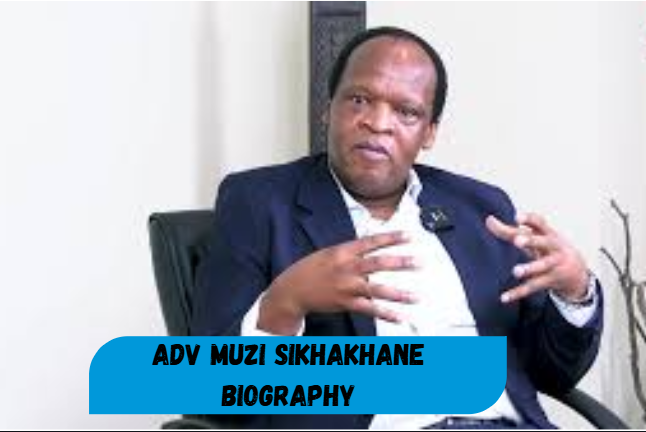
When you search for adv muzi sikhakhane biography: contact details, wife, education, birthday, tribe, age, you’re not just looking for facts—you’re diving into the life of a powerful legal mind and a respected voice in South Africa’s justice system.
Let’s walk through his story together—from his humble beginnings to becoming a Senior Counsel and influential advocate. Trust me, his journey is as inspiring as it is intense.
Who is Adv Muzi Sikhakhane?
Advocate Muzi Frederick Sikhakhane is a well-known South African senior counsel, legal practitioner, and political thinker.
He has built a reputation for:
- Handling high-profile legal cases
- Speaking boldly on economic transformation
- Founding the Pan African Bar Association of South Africa (PABASA)
He’s not just a lawyer—he’s a man who has lived through South Africa’s toughest political transitions.
Adv Muzi Sikhakhane Biography
| Full Name | Muzi Frederick Sikhakhane |
|---|---|
| Date of Birth | 5 October 1967 |
| Age | 58 years |
| Birthplace | Bulwer, KwaZulu-Natal |
| Nationality | South African |
| Tribe | Zulu |
| Religion | Christian |
| Marital Status | Married |
| Wife | Not publicly disclosed |
| Profession | Senior Counsel, Advocate |
| Education | Wits University (BA & LLB) |
| muzis@law.co.za | |
| Phone | 082 908 7249 |
Early Life and Background
Adv Muzi Sikhakhane was born in the rural town of Bulwer in KwaZulu-Natal.
Growing up in a modest environment shaped his worldview. Life wasn’t easy—but it built resilience.
Imagine growing up during apartheid, where opportunities were limited. That reality influenced his strong stance on justice and equality today.
Birthday and Age
One key part of adv muzi sikhakhane biography: contact details, wife, education, birthday, tribe, age is his birth information.
- Date of Birth: 5 October 1967
- Age: 58 years
Even at 58, he remains active in legal and political discussions—sharp, vocal, and deeply involved.
Tribe and Cultural Identity
Adv Muzi Sikhakhane belongs to the Zulu tribe, one of the largest ethnic groups in South Africa.
His cultural background plays a role in:
- His values
- His communication style
- His views on African unity
He often aligns his legal and political arguments with broader African perspectives.
Education Journey
His educational path is nothing short of inspiring.
Teacher Training Beginnings
- Studied at Indumiso Teacher’s Training College
- Initially trained as a teacher
University Education
Later, he pursued:
- Bachelor of Arts (BA)
- Bachelor of Laws (LLB)
At the prestigious University of the Witwatersrand (Wits)
Challenges During Education
Here’s where things get real.
Because of his political activism:
- He struggled to find employment after training
- The apartheid government blacklisted activists
This is something many biographies don’t fully capture—the personal cost of standing for justice.
Political Activism and Arrest
During his youth, Sikhakhane was deeply involved in activism.
He was part of:
- AZASO (Azanian Student Organisation)
- UDF (United Democratic Front)
In 1990:
- He was arrested by security forces
This period shaped his courage and resilience.
Early Career as a Teacher
Before becoming a lawyer, he worked as a teacher:
- Taught English, Zulu, and History
- Worked in Bulwer and later Soweto
But political violence forced him to relocate.
Transition Into Law
His shift into law wasn’t accidental—it was driven by purpose.
He wanted to:
- Fight injustice legally
- Represent marginalized voices
So he studied law and entered the legal profession.
Legal Career and Achievements
Adv Muzi Sikhakhane has handled several major cases.
Key Highlights
- Senior Counsel (SC) status
- Highly respected courtroom advocate
- Known for strong arguments and bold opinions
Founding of PABASA
One of his biggest achievements:
Founder of the Pan African Bar Association of South Africa (PABASA)
This organization aims to:
- Promote African legal unity
- Empower black legal professionals
High-Profile Cases
Let’s talk about impact.
He has been involved in:
- Legal representation of former President Jacob Zuma
- Participation in the Zondo Commission
- Chairing investigations like the Sikhakhane Commission
These cases placed him in the national spotlight.
Political and Economic Views
Sikhakhane is not silent on issues.
He has openly criticized:
- Economic inequality in South Africa
- Lack of transformation post-1994
His stance?
“Freedom without economic justice is incomplete.”
Adv Muzi Sikhakhane Wife
When it comes to his personal life:
- He is married
- However, his wife’s identity is private
This shows a clear boundary between public life and personal space.
Family Life and Privacy
Unlike many public figures:
- He keeps family details out of media
- Focus remains on his professional life
That’s rare—and honestly, refreshing.
Religion and Beliefs
Adv Muzi Sikhakhane is a Christian.
His faith influences:
- His moral compass
- His views on justice and fairness
Contact Details
If you’re searching for adv muzi sikhakhane contact details, here’s what is publicly available:
- Email: muzis@law.co.za
- Phone: 082 908 7249
Always use professional etiquette when reaching out.
Personality and Public Image
He’s known for being:
- Bold
- Intellectual
- Straightforward
Some admire him, others debate him—but everyone listens.
Leadership and Influence
His influence extends beyond the courtroom.
He has:
- Mentored young lawyers
- Advocated for African-centered legal systems
Controversies and Criticism
Like many outspoken figures:
- His views sometimes spark debate
- Critics challenge his positions
But he remains consistent in his beliefs.
Net Worth and Lifestyle
While exact figures are not publicly confirmed:
- As a Senior Counsel, he earns significantly
- Lives a comfortable professional life
However, he doesn’t flaunt wealth publicly.
Lessons from His Life
What can we learn?
- Stand firm in your beliefs
- Education can transform your path
- Challenges can shape greatness
Why His Story Matters Today
In today’s world:
- Legal voices like his are crucial
- Conversations about equality still matter
His story is both historical and relevant.
Conclusion
Exploring adv muzi sikhakhane biography: contact details, wife, education, birthday, tribe, age reveals more than facts—it reveals a journey of courage, resilience, and purpose.
From a rural upbringing to becoming one of South Africa’s respected legal minds, Sikhakhane’s life reminds us that determination and conviction can shape history.
Whether you admire his legal work or his political views, one thing is clear—he’s a figure you can’t ignore.
FAQs
1. What is Adv Muzi Sikhakhane’s age?
He is 58 years old, born on 5 October 1967.
2. Is Adv Muzi Sikhakhane married?
Yes, he is married, but his wife’s identity is not publicly disclosed.
3. What tribe is Muzi Sikhakhane from?
He belongs to the Zulu tribe.
4. What are Adv Muzi Sikhakhane contact details?
You can reach him via:
- Email: muzis@law.co.za
- Phone: 082 908 7249
5. Where did Muzi Sikhakhane study?
He studied at the University of the Witwatersrand (Wits) where he earned BA and LLB degrees.
-

 Legends & Icons1 month ago
Stephanie Buttermore Biography: Ex Husband, Age, Ethnicity
-

 Legends & Icons2 months ago
Femi Dapson Biography: Ex Wife, Age, Siblings, Family 2026
-
 Legends & Icons2 months ago
Nihal Hashmi Biography: Son, Age, Wife, Religion, Net Worth
-

 Legends & Icons2 months ago
T Dilip Fielding Coach Biography: Wife, Salary, Age, Religion
-

 Legends & Icons1 month ago
Irungu Nyakera Biography: Family, Net Worth, Wife, Age, Sister
-

 Legends & Icons2 months ago
Hanan Shah Singer Biography: Hometown, Religion, Net Worth
-
 Legends & Icons2 months ago
Farman Khan Monalisa Biography: Net Worth 2026, Religion
-

 Legends & Icons1 month ago
Ze Nxumalo Biography: Age, Wife, Contact, Religion, Born Place